Understanding Recessional Moraine: A Key Glacial Feature
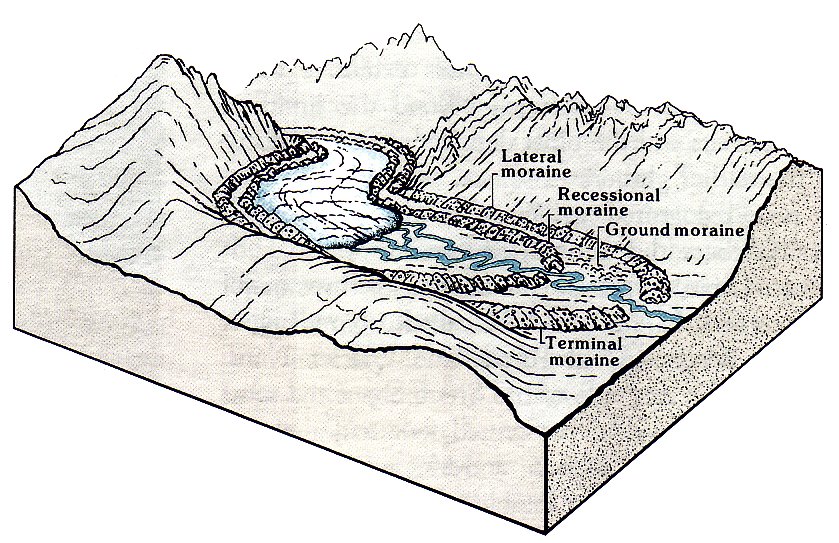
Recessional moraine, a crucial aspect of glacial geography, refers to the accumulation of rocks and soil pushed by a glacier as it retreats. This process leaves behind a distinct landform that provides valuable insights into the movement and behavior of glaciers. As glaciers play a significant role in shaping our landscape, understanding recessional moraine is essential for grasping the dynamics of glacial movements and their impact on the environment. In this article, we will delve into the context, details, and implications of recessional moraine, exploring its significance in the field of geology.
Context: Glacial Movement and Landform Creation
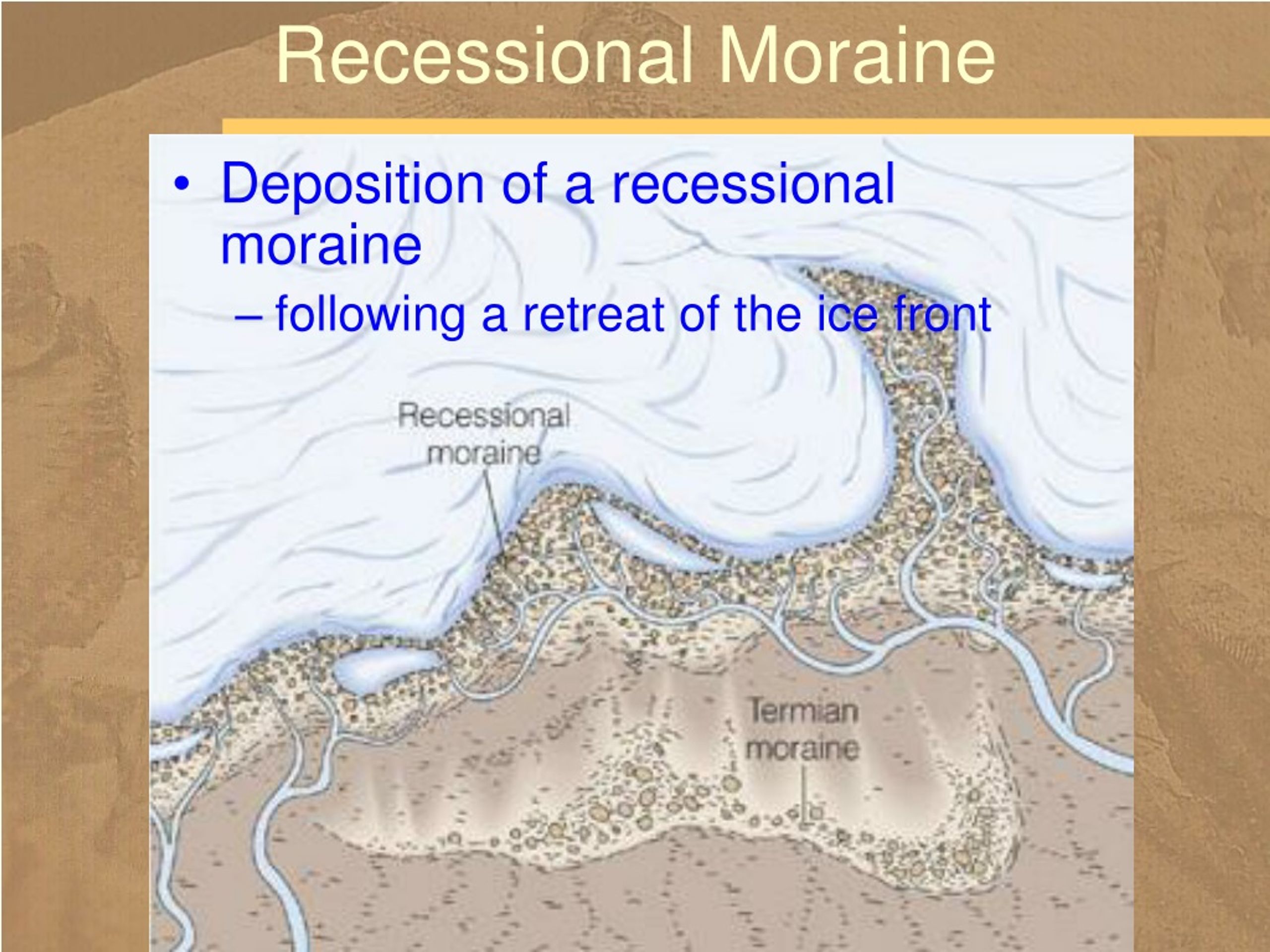
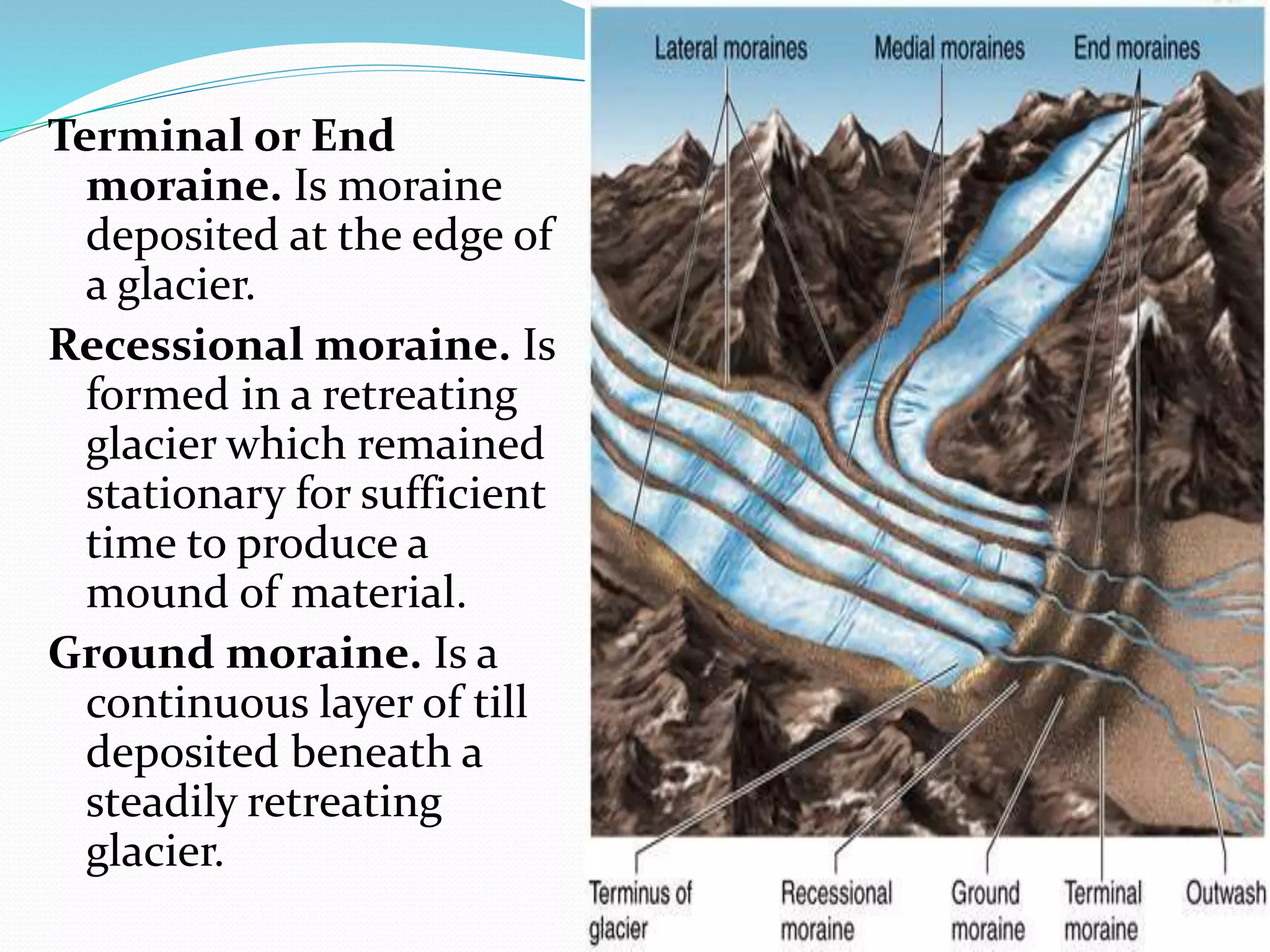
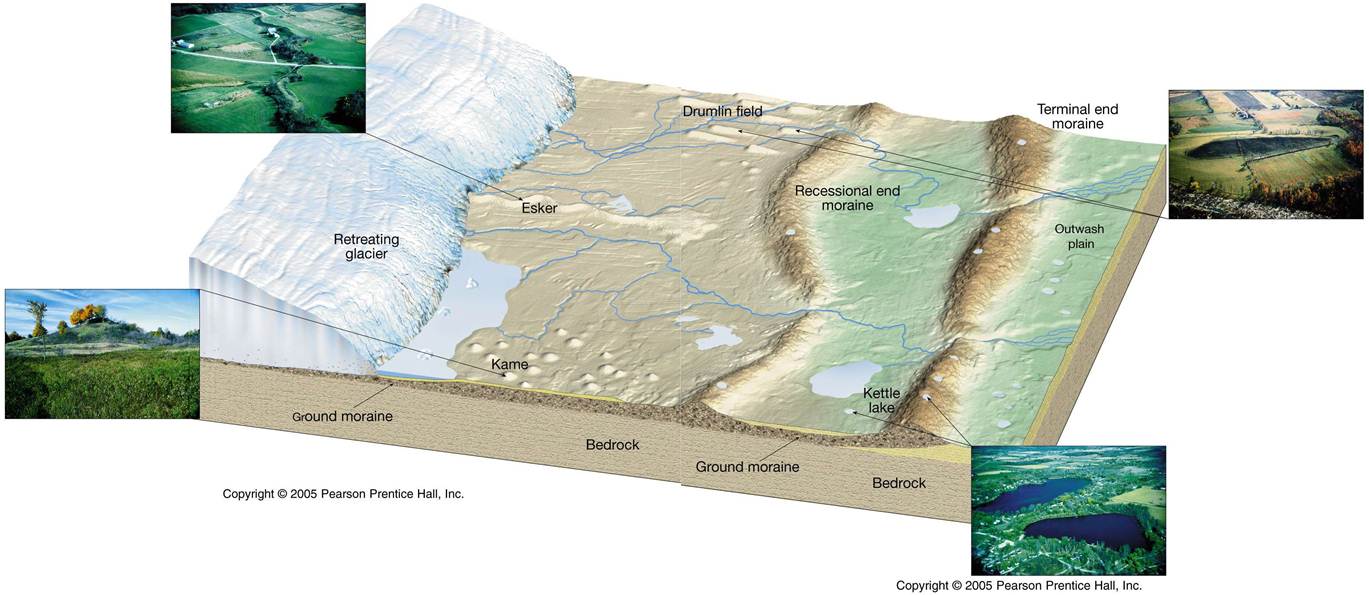
Glaciers are massive, slow-moving rivers of ice that carve out valleys, create lakes, and produce distinctive landforms as they advance and retreat. During their movement, glaciers pick up rocks, soil, and other materials, which are then deposited at a new location when the glacier melts or retreats. Recessional moraine is one such deposit, formed when a glacier pauses or slows down during its retreat, leaving behind a ridge of accumulated material. This process can occur multiple times, resulting in a series of recessional moraines that provide a record of the glacier's movement and behavior.
Details: Characteristics and Formation
Recessional moraine can be characterized by its unique shape, composition, and location. These landforms are typically found in areas where glaciers have retreated, such as valley floors, hillsides, or lake shores. The composition of recessional moraine can vary, depending on the types of rocks and materials picked up by the glacier during its movement. Some common features of recessional moraine include:
- Irregular shapes, reflecting the uneven movement of the glacier
- Varying sizes, ranging from small ridges to extensive deposits
- Diverse composition, including rocks, soil, and other glacial materials
The formation of recessional moraine is closely tied to the dynamics of glacial movement. As a glacier retreats, it leaves behind a trail of deposited material, which can be influenced by factors such as the glacier's size, speed, and direction of movement.
Implications: Understanding Glacial History and Environmental Impact
Recessional moraine provides a valuable record of glacial movement and behavior, offering insights into the history of glaciation in a particular region. By studying these landforms, scientists can reconstruct the patterns of glacial advance and retreat, shedding light on the complex processes that have shaped our landscape over thousands of years. Furthermore, understanding recessional moraine can help us better appreciate the environmental impact of glaciers, including their role in shaping ecosystems, influencing water flows, and affecting local climates.
In conclusion, recessional moraine is a significant aspect of glacial geography, offering a unique window into the dynamics of glacial movement and behavior. By exploring the context, details, and implications of recessional moraine, we can gain a deeper understanding of the complex processes that have shaped our landscape and continue to influence our environment today.
Unit III Chapter 13 (glaciers And Ice Ages) | PPTX
Unit III chapter 13 (glaciers and ice ages) | PPTX
Jenny On The Rocks: Geology In Antarctica: November 5, 2011 : Glaciers
Jenny on the rocks: Geology in Antarctica: November 5, 2011 : Glaciers ...
Recessional Moraines Gorner Glacier Glacier Change

Recessional Moraines Gorner Glacier Glacier Change